
The scenario
A plant, during routine microorganism monitoring and swabbing, noticed elevated detection of Listeria was found near a table in the production area. Through vector tracing, the plant believed it had transferred to the table as a result of foot traffic through the area passing over a drain.
The plant had expressed that the drain was not regularly cleaned and sanitized, nor was there sanitizing between production rooms in the facility. The facility called on the ChemStation team to develop a plan to maintain good manufacturing processes and mitigate contamination, especially Listeria and other bacteria.
The solve
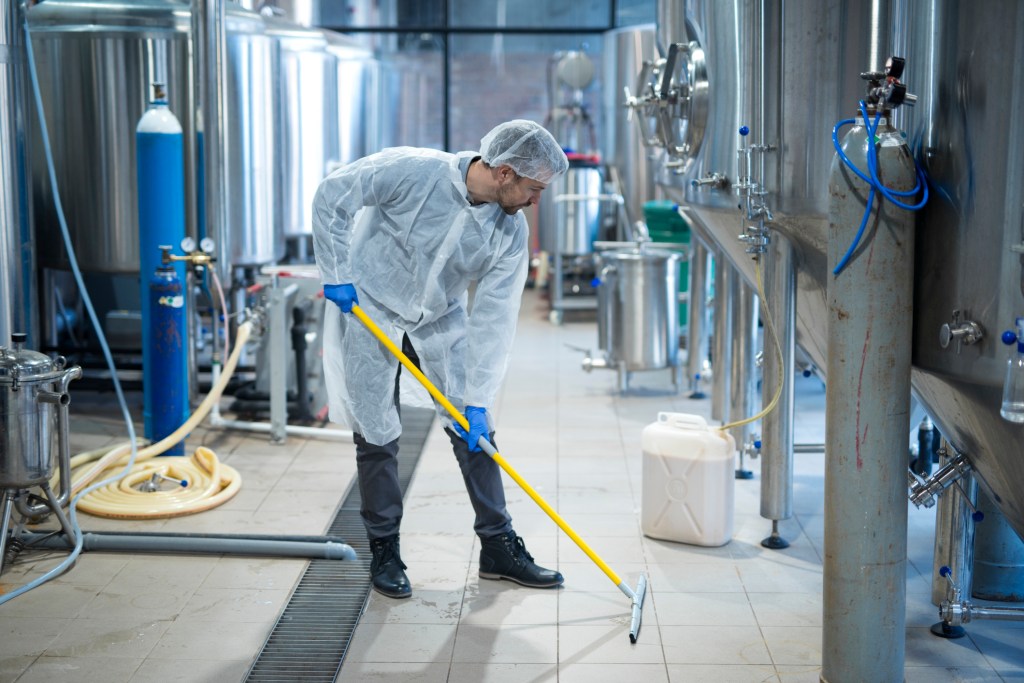
As always, a dry pickup during sanitation shifts is the first step. Picking up debris throughout the shift also prevents transfer of harmful organisms to food contact surface. Maintaining a tidy environment throughout the plant’s operation is key to keeping food “safe.”
In addition to this, drains are mechanically cleaned and then a quat based sanitizer is applied. Furthermore, including step mats with powdered sanitizer or foot baths was also recommended by the ChemStation team.
It is important to note that a strict maintenance and solution changes schedule is necessary when a foot bath is implemented, as negligence can allow for this to be an additional hotspot.
When routine cleaning practices with the table in question did not improve the Listeria contamination, the ChemStation team advised a deep, intensive cleaning and surface restoration plan, using a sanitizing product and cleaner.
The solution
The swabs taken at this “hot spot” were found to be within acceptable range after the intensive deep cleaning. The plant also implemented routine practices surrounding cleaning drains and plant floors, which also helped minimize the overall amount of “hot spots” in the facility.
The installation of footbaths also aided in preventing further spread of bacteria. The GMP implementations, as well as the implementation of drain sanitizer, overall, was an improvement for plant operations and food safety.
After these recommendations were implemented, the plant conducted follow-up environmental monitoring, which confirmed the continued control of the Listeria. This, in turn, improved overall plant performance and reduced cross contamination risk.